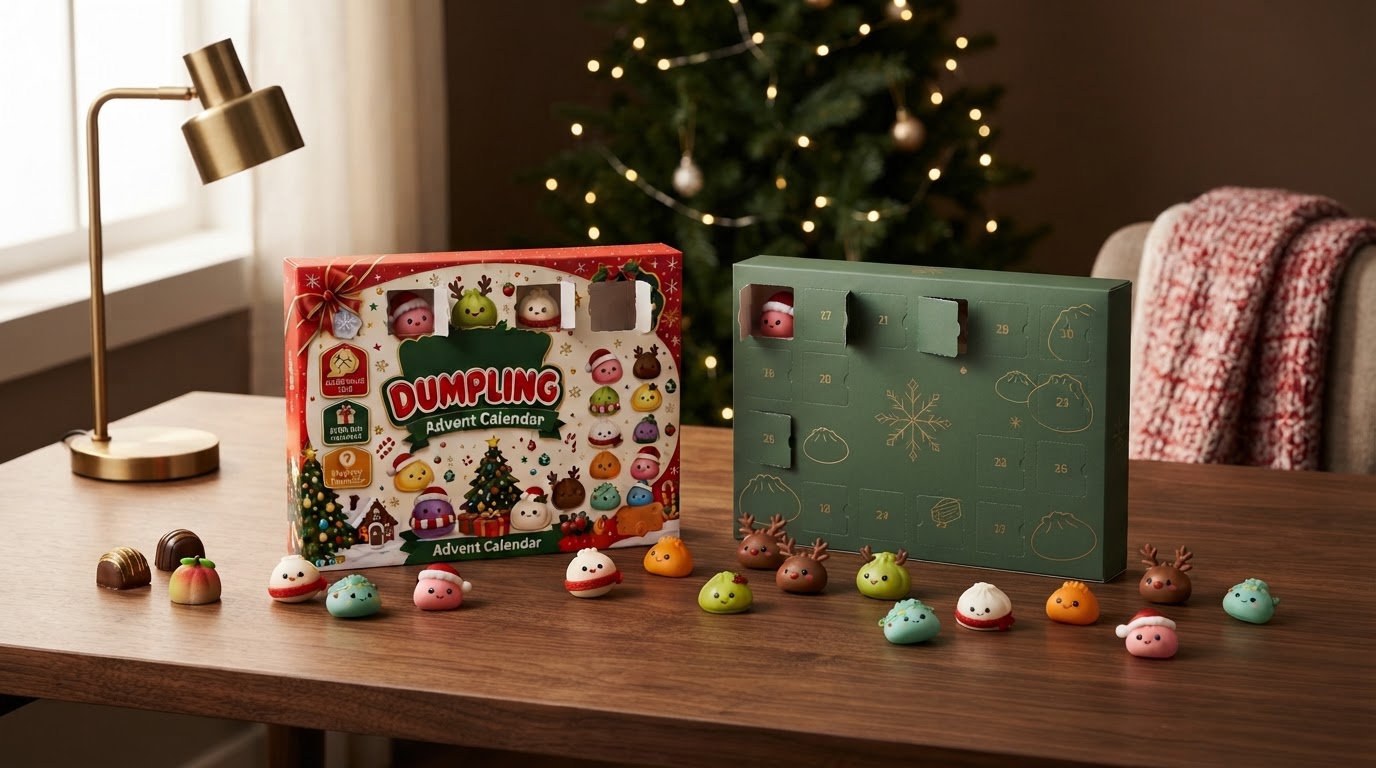
A 3-Axis Framework for Squishy Advent Calendar Selection
 Priya RamanSenior Analyst
October 10, 2026 — The seasonal shift toward sensory-focused holiday traditions has placed the Squishy Advent Calendar at the center of a growing tactile play movement. As consumers move away from traditional confectionery, the demand for varied textures has increased significantly, particularly for those seeking mochi-style materials. According to current consumer search data, specialized queries for mochi squishy advent calendars have reached approximately 8,500 monthly impressions, signaling a shift toward specific material preferences in the countdown category.
Evaluating these products requires more than a cursory glance at the packaging. Think of it as a matrix of three distinct dimensions: material density, visual variety, and tactile feedback. Two axes matter here: the resistance of the foam versus the complexity of the mold. When selecting a Squishy Advent Calendar, one must weigh the desire for kawaii-style animal aesthetics against the functional need for high-rebound materials that withstand repetitive compression. For those focused on a fidget toy advent calendar, the emphasis shifts toward durability and the ability to serve as a silent sensory tool during high-stress holiday events. The market currently differentiates between bulk squishy toys for kids, which prioritize quantity, and curated sets that offer a progression of unique shapes. By selecting a squishy advent calendar for tactile holiday play, parents can ensure the daily reveal provides a meaningful sensory experience rather than a redundant one. The decision rule: prioritize calendars that offer a 70/30 split between standard animal shapes and unique seasonal molds to maintain engagement throughout the 24-day cycle. This approach ensures that the squishy advent calendar 2024 remains a functional part of a child's sensory toolkit long after the festive season concludes.
The 3-Axis Tactical Evaluation
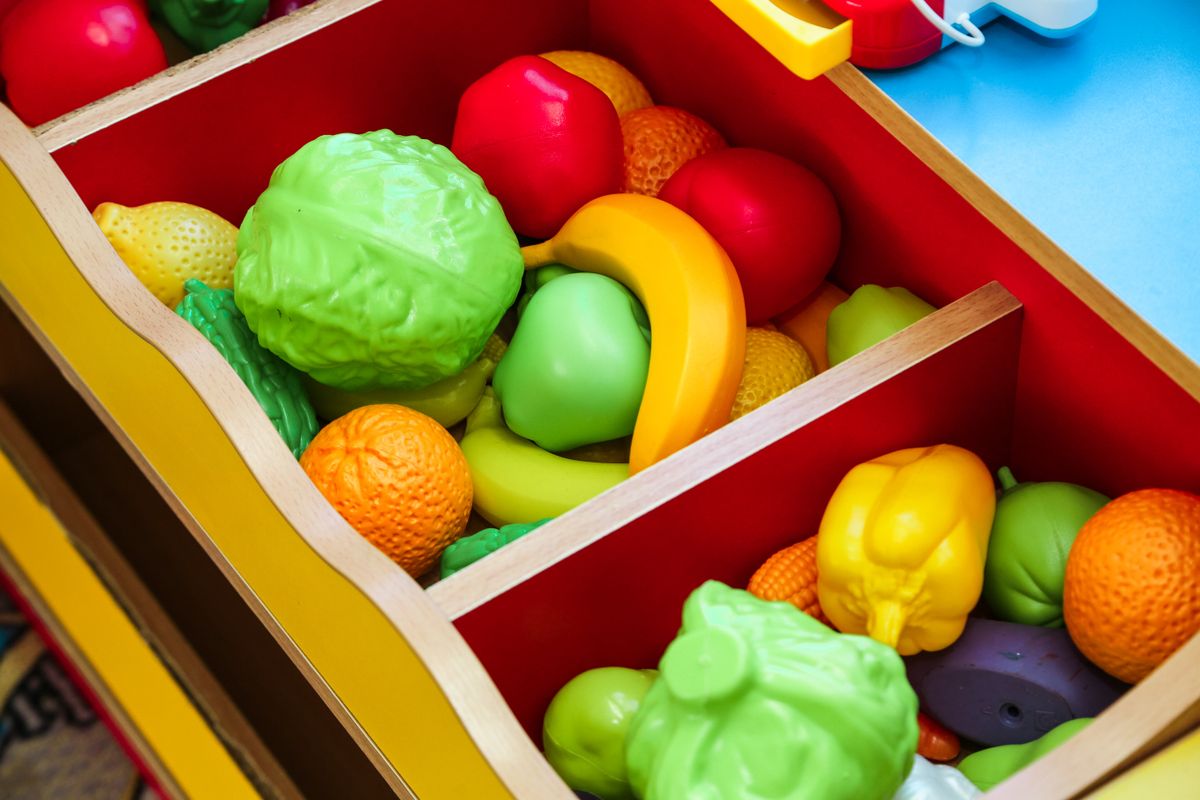
Photo by Dmitry Sidorov on Pexels
The 3-axis framework facilitates a objective comparison of the current market offerings. The first axis, Material Composition, focuses on the distinction between thermoplastic rubber (TPR) and traditional polyurethane foam. TPR models, often marketed as mochi squishies, account for a large portion of the 5,400 monthly searches for bulk squishy toys due to their soft, jelly-like texture. The second axis, Thematic Consistency, looks at how well the collection adheres to a specific aesthetic, such as the popular animal squishy advent calendar category. The third axis, Utility, measures the transition from a simple toy to a functional stocking stuffer squishies bulk item. Data indicates that high-performing calendars provide at least 24 unique molds to prevent repetitive tactile fatigue. Once you see it this way, the choice becomes less about the branding and more about the specific sensory output of each individual door. For instance, a squishy advent calendar 2024 that incorporates both high-density foam and soft TPR offers a broader range of sensory input than a single-material set.
Expert tip: When evaluating a fidget toy advent calendar, check the surface finish of the TPR components; a lightly powdered finish prevents the "tackiness" often associated with bulk-produced mochi toys, ensuring they remain clean during extended use.
Understanding these variables allows for a more disciplined approach to holiday shopping. By focusing on the intersection of material science and play value, one can select a product that serves both as a festive countdown and a durable developmental tool.