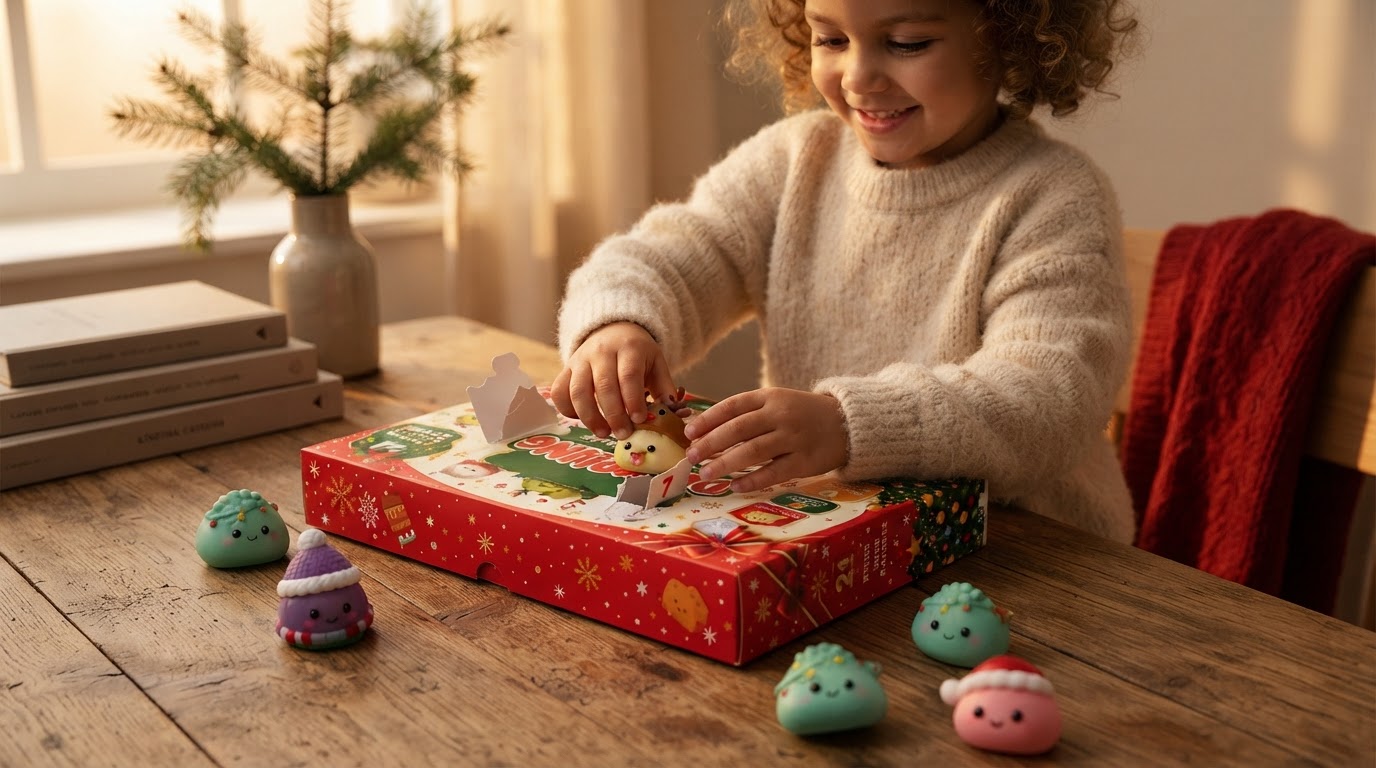
How do sensory toy advent calendar squishies work?
 Maya ChenContributing Editor
October 7, 2026 — Sensory toy advent calendar squishies function as a structured delivery system for tactile stimulation, utilizing 24 discrete compartments to provide consistent daily sensory input throughout December.
The conventional wisdom says these calendars are merely festive distractions, but for users seeking specific proprioceptive feedback, they serve as a predictable regulatory tool. Parents and educators prioritize these items because they offer a non-consumable alternative to traditional sugar-based countdowns, focusing instead on the physical manipulation of soft, thermoplastic elastomers.
How do squishies provide tactile sensory input?
Squishies provide tactile input through the mechanical deformation of soft polymers, which stimulates pressure receptors in the hands to promote focus or stress reduction. While many assume all soft toys are identical, the specific density of mochi squishies found in a Squishy Advent Calendar allows for immediate rebound, providing a repetitive feedback loop that is essential for sensory processing. According to user data surrounding mochi squishy advent calendar searches, which reach approximately 8,500 monthly impressions, the demand for these specific textures suggests a shift away from static plastic toys toward interactive, pliable materials. This physical engagement is particularly useful in environments where high-arousal triggers are present, as the act of squeezing provides a grounding effect. I’ll change my mind when clinical data proves that rigid plastic toys offer superior self-regulation benefits, but currently, the pliability of these animal-shaped figures remains the primary draw for sensory-seeking populations.
Why is the advent calendar format effective for sensory toys?
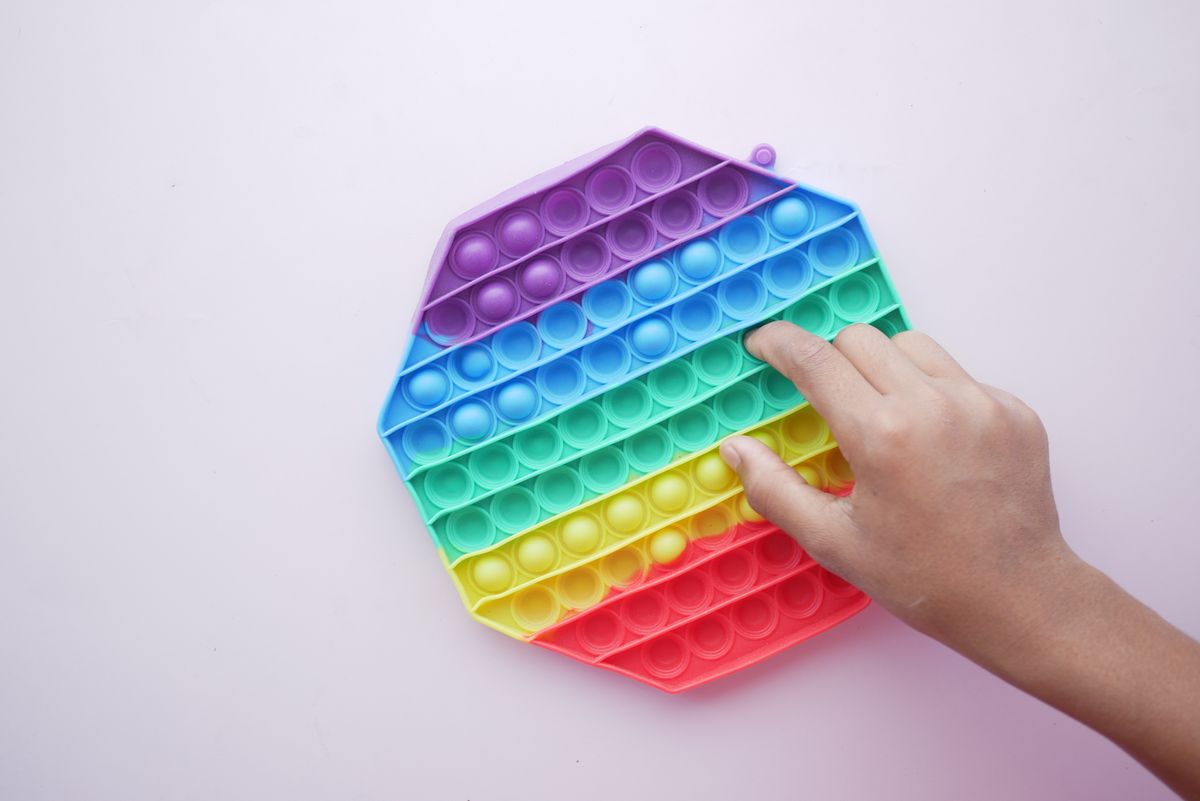
Photo by Towfiqu barbhuiya on Pexels
The advent calendar format is effective because it introduces controlled novelty within a rigid, predictable schedule, preventing the sensory overload often associated with bulk toy purchases. Here's the part nobody talks about: dumping a bag of 50 bulk squishy toys for kids in front of a child often leads to immediate habituation and loss of interest. By contrast, a Squishy Advent Calendar limits the interaction to a single, high-interest object per day, which reinforces the dopamine reward cycle associated with the countdown. This structured approach is a core component of a sensory advent calendar for kids, ensuring that the tactile experience remains fresh and engaging for the full duration of the month. Run the math: 24 individual moments of discovery are statistically more likely to sustain engagement than a single large-scale gift. This format also serves as a critical bridge for families looking for a non-candy advent calendar for toddlers, as it replaces the fleeting spike of glucose with a long-term tool for manual dexterity and quiet play.
Quick answers

Photo by Sophie Roome on Pexels
Q: What material are the squishies made of? A: Most squishies in these calendars are manufactured from Thermoplastic Rubber (TPR), which is non-toxic and BPA-free. This material allows the toys to withstand thousands of compressions without losing their original animal or holiday shape.
Q: Are these calendars suitable for toddlers? A: While they are popular, these sets are generally rated for ages 3 and up due to the small size of individual mochi squishies. For younger children, a specialized non candy advent calendar for toddlers is recommended to ensure the objects meet safety standards for size and durability.
Q: How do you clean the toys after they get dusty? A: Because TPR is naturally slightly tacky, it attracts lint; however, they can be restored by washing with mild soap and warm water. Applying a small amount of cornstarch or baby powder after drying will return the squishy to its original smooth, matte finish.
Learn more about Squishy Advent Calendar at https://squishyadventcalendar.com.